As a system administrator, it’s essential to ensure all enterprise endpoints run genuine and activated software. This isn’t just about compliance; it impacts security, performance, and reliability across the network. A tool frequently mentioned in Windows activation discussions is the “kms windows activator,” especially when dealing with bulk licensing.
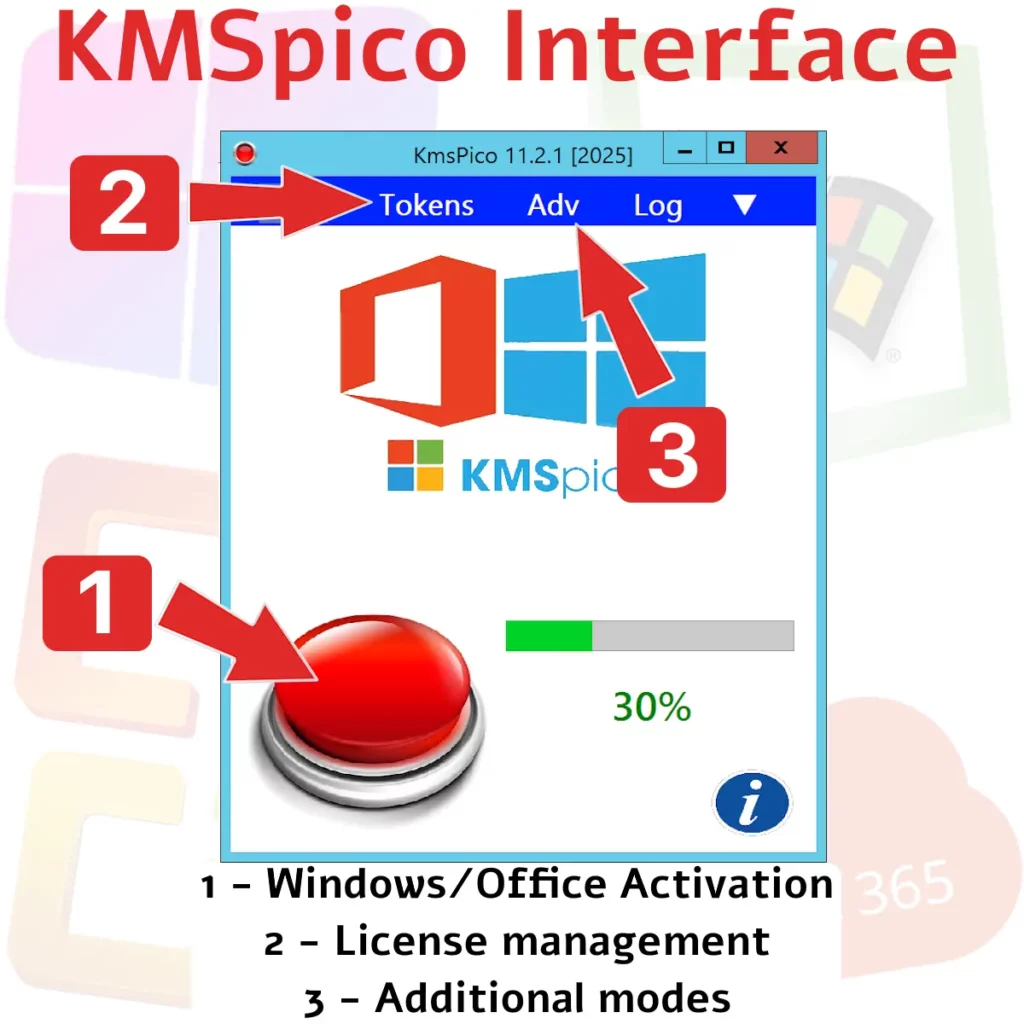
Understanding KMSPico as a KMS Windows Activator
KMSPico is a well-known tool among kms windows activators. Although it originated from piracy, understanding its functionality can shed light on how enterprises might legally streamline their activation processes using legitimate Key Management Service (KMS) methods.
The KMS Activation Method Explained
KMS activation is Microsoft’s solution for volume licensing. It lets organizations activate systems within their network without each machine needing direct contact with Microsoft. Instead, a local server manages activations internally, improving manageability and reducing administrative overhead.
This method reduces the need for individual product keys on each workstation while keeping licensing agreements intact. KMS is particularly useful for new installations or hardware changes that require reactivation.
Security Considerations with Unauthorized Tools Like KMSPico 2025
KMSPico 2025 and similar unauthorized tools pose security risks if used improperly. They can activate Windows 10 or Office suites without official channels but often bypass critical security measures of these systems.
- Avoid using unauthorized tools to prevent potential malware introduction.
- Ensure compliance with software agreements to avoid legal repercussions.
- Regularly update systems to maintain security integrity.
- Implement robust monitoring to detect any unauthorized software usage.
For enterprises, relying on such tools could expose networks to vulnerabilities by disabling updates or introducing malicious code. Additionally, non-compliance with software agreements can lead to legal issues—an important factor in any corporate environment.
Implementing Legitimate KMS Systems for Enterprise Environments
When setting up a legitimate kms windows activator using Microsoft’s infrastructure, consider using tools like slmgr. This command line utility configures your server’s role as a KMS host to handle Windows and Office product activations seamlessly across your network. For repetitive workflows involving windows and kms setups, concise instructions are available at https://kmspico.lc/.
A key aspect of deploying a legitimate KMS host is ensuring your virtual machines have sufficient resources; typically at least 4 GB of RAM and two CPU cores per virtual machine are recommended to efficiently handle multiple requests. Additionally, timing snapshots after activation settings avoids reconfiguration issues during restores.
| Software | Compatibility | Activation Type | Latest Version | ||||||||||
|---|---|---|---|---|---|---|---|---|---|---|---|---|---|
| KMSPico | Windows 10, Office | KMS Activation | 11.2.0 | KMSAuto Net | Windows 10/11, Office | 1.5.4 | Microsoft Toolkit | Windows, Office | KMS & EZ Activator | 2.6.7 | KMSPico 2025 | Windows 11, Office | N/A (Future) |
KMS for Windows 10 and Beyond: Navigating New Versions with KMS Windows Activator
The shift from older operating systems to newer ones like Windows 11 requires updated activation strategies. This involves adapting existing setups or creating new procedures for smooth migration while understanding newer system requirements helps maintain service continuity.
Compact Metric:
Enterprises report a reduction in administrative overhead by up to 30% when implementing automated KMS solutions compared to manual activation methods.
An enterprise using the windows 11 activator through KMS must ensure correct DNS configurations so client machines can easily locate the host server. Regularly updating your infrastructure will help accommodate these new technologies effectively.
Troubleshooting Common Issues with Enterprise Activation Using KMS Windows Activator
Troubleshooting is inevitable when managing extensive systems using kms windows activators. A common issue involves incorrect DNS settings that hinder client-server communication necessary for successful activation. Implementing accurate SRV records significantly mitigates such challenges.
Monitoring Activation Status Across Devices
System administrators need to continually monitor endpoint status to prevent deactivations due to lapses between renewal cycles set by organization policy settings. Built-in tools like DISM (Deployment Imaging Service Management) allow checking current licensing states effectively without burdensome manual audits.
A reliable way forward is to capture what changed, which tools ran, and the VM constraints, and compare outcomes across the same snapshot.

Leave a Reply